Penis extenders can be genuinely effective tools—but only when they are used safely and intelligently. The moment safety is ignored, the same device that’s supposed to support your confidence can quickly turn into a source of injury, panic, and long-term regret. This is why knowing when to stop is just as important as knowing how to start.
This guide walks you through the key red flags that mean you should take an extender off immediately, plus how to tell the difference between normal adjustment and real danger.
Why Penis Extender Safety Matters More Than Speed
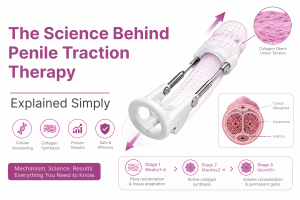
Traction works by applying gentle, sustained stretching over time. The keyword is gentle. When you push too hard, wear a badly designed device, or ignore your body’s warning signs, you’re not speeding up progress—you’re risking tissue damage, nerve issues, and circulatory problems.
Many men push through discomfort because:
- They think pain equals progress.
- They don’t want to “waste” the time they’ve already put in.
- They trust the device’s marketing more than their own body.
That mindset is exactly what leads to bruising, swelling, and doctor’s visits in so many real-world stories. The right approach is simple: if something feels wrong, you stop—no matter what the manual or marketing promised.
Red Flag #1: Numbness or Loss of Sensation
If you notice any numbness, tingling, or loss of sensation—especially in the glans (head)—you should remove the extender immediately.
Numbness is often a sign that:
- A strap, tube, or noose is compressing nerves.
- Blood flow is being restricted.
- The tissue is under more pressure than it can safely handle.
This isn’t “normal adaptation.” It’s your body warning you that circulation or nerve function is being compromised. Ignoring this can lead to lasting sensitivity issues, not better results.
What to do:
- Take the device off as soon as you feel numbness or unusual tingling.
- Do not simply “loosen it slightly and keep going.”
- Rest and allow full sensation to return before using any device again.
If numbness lingers or you feel a lasting change in sensitivity, you should stop traction completely and speak with a medical professional.
Red Flag #2: Coldness or Color Changes
If the head of your penis becomes noticeably cold, pale, dark, or blotchy while using an extender, that is a major red flag.
These changes often mean:
- Blood inflow or outflow is restricted.
- The device is acting more like a tourniquet than a traction tool.
A slight color change from increased blood flow can be normal when the tissue is under mild stretch—but coldness, purple-dark areas, or patchy discoloration are not.
What to do:
- Remove the extender immediately if you notice any abnormal color shift or cold sensation.
- Gently massage the area to restore circulation.
- Do not put the extender back on “to finish the session” just because you hit a time target.
If the color or temperature doesn’t normalize quickly, seek medical advice rather than waiting it out.
Red Flag #3: Sharp, Burning, or Stabbing Pain
Mild discomfort, pressure, or a general “stretching” sensation can be normal, especially in the beginning. But sharp, burning, or stabbing pain is not.
This kind of pain suggests:
- The strap/noose is cutting into tissue.
- There is excessive localized pressure.
- Micro-tears, bruising, or more serious trauma may already be happening.
Many men try to convince themselves that this kind of pain is proof the device is “working harder.” In reality, it’s proof you’re pushing beyond what your tissues can safely handle.
What to do:
- Stop the session immediately if you feel more than low-level, tolerable discomfort.
- Don’t crank tension higher to “get more out of less time.” That’s a fast route to injury.
- When you resume on another day, lower the traction level and shorten the session length.
If pain persists after removal, or if you feel pain during normal erections, stop all extender use and consult a doctor.
Red Flag #4: Significant Swelling or Persistent Bruising
Some light redness after a session can be normal. Significant swelling, dark bruising, or visible blood spots under the skin are not.
This can mean:
- Capillaries or small vessels have been damaged.
- The strap or base is causing excessive compression.
- You’ve already gone beyond safe limits.
Continuing to wear the device in this condition isn’t “toughing it out”—it’s piling more trauma on top of an injury.
What to do:
- Remove the device at the first sign of swelling or bruising.
- Take a break from extender use until the area looks and feels completely normal again.
- Avoid using the same tension level or strap setting that caused the problem.
If the swelling is severe, painful, or doesn’t resolve with rest, you should see a doctor rather than waiting for it to “sort itself out.”
Red Flag #5: Persistent Deep Marks and Indentations
Temporary strap marks that fade within minutes are common. Deep grooves, pronounced indentations, or lines that stay for hours are not.
These marks indicate:
- Excessive localized pressure.
- A strap/noose system that is too narrow or harsh.
- Poor pressure distribution across the tissue.
Older and poorly designed extenders—especially those with thin noose systems or hard bases—are notorious for this problem.
What to do:
- Don’t keep using the same setup if deep lines or dents linger.
- Adjust the comfort system: use padding, wider supports, or more modern strap systems if available.
- If the design itself makes even light use painful or deeply marking, the safest move is to switch devices rather than forcing it.
Red Flag #6: Difficulty Urinating or Painful Erections After Use
If you notice pain when peeing, a weak stream, or unusual discomfort during erections after using an extender, that’s a serious sign something isn’t right.
This can suggest:
- Internal tissue trauma.
- Urethral irritation or compression.
- More significant injury than “just surface soreness.”
What to do:
- Stop using any traction device immediately.
- Monitor your symptoms—if they persist or worsen, see a urologist.
- Don’t attempt to “test” the device again to see if the problem repeats; assume it’s unsafe until a professional clears you.
Red Flag #7: You’re Constantly Fighting the Device to Wear It
There’s one more red flag that’s easy to overlook: when you have to fight your extender every single time you put it on.
If you notice that:
- It never feels comfortable, no matter how you adjust it.
- You spend more time fiddling with straps and tubes than actually wearing it.
- You constantly debate whether you can “handle” another session.
…then your body is telling you something: the design simply isn’t right for you.
Modern, well-designed extenders and training devices make long-term use manageable. They may not feel like nothing—but they shouldn’t feel like a battle every time.
What to do:
- Don’t force yourself to endure a bad design just because you spent money on it.
- If comfort never improves despite reasonable adjustments, consider switching to a better-engineered device.
- Remember that a tool you can wear regularly will always outperform a “powerful” tool you avoid.
How to Stay on the Safe Side from Day One
To reduce risk from the start, keep these principles in mind:
- Start with low tension and short sessions. Let your tissues adapt before increasing anything.
- Prioritize comfort systems. Wider straps, quality padding, and ergonomic bases are more than “features”—they’re safety tools.
- Increase one thing at a time. Either extend session length or add a little more traction—not both at once.
- Take real rest days if needed. If you feel sore or irritated, skip a day rather than forcing yourself.
- Measure progress monthly, not daily. This keeps you from chasing quick gains with unsafe tension.
When to Stop Completely and See a Doctor
You should stop all extender use and consult a medical professional if:
- Numbness, pain, or sensitivity changes persist after removing the device.
- Swelling or bruising is severe or slow to resolve.
- Erections are painful or feel significantly different than before.
- You’re worried enough that you’re constantly checking and stressing.
A good rule of thumb: if you wouldn’t ignore the same symptoms in any other part of your body, don’t ignore them here either.
Final Thoughts: Safety First, Progress Second
The goal of using an extender should be steady, safe progress, not gambling with your health. The men who end up happy months later are the ones who:
- Choose modern, comfort-focused devices.
- Respect their own pain and warning signs.
- Treat traction like a long game, not a sprint.
The moment you feel numbness, sharp pain, serious swelling, or notice worrying changes in color or temperature, the right move is simple: take it off. No result is worth risking permanent damage.