
Quick Extender Review: The Story of How I Learned the Hard Way
This Quick Extender review is not the glowing recommendation I once hoped I’d write. When I first decided to try the Quick Extender Pro, I was optimistic. The website claimed comfort, results, and a design that seemed safer than other extenders I had seen online. It sounded like a solid middle ground—effective, affordable, and easy to use. I thought I was making a smart choice. Instead, my experience took a painful turn. What started as curiosity for self-improvement ended with swelling, bruising, and an appointment with a doctor. Looking back, I wish I had listened to the early warning signs my body gave me before things got worse.
How I Discovered Quick Extender Pro
My journey started with late-night research. I was curious about extenders and wanted something with real results but not at the cost of spending a fortune. Quick Extender Pro appeared in almost every search. Its marketing highlighted the so-called “double strap support system,” which claimed to be more comfortable than traditional noose designs.
That idea hooked me. I thought the improved design meant fewer risks. Add in the relatively lower price compared to premium brands, and I convinced myself this was the right fit.
What Convinced Me to Buy
Affordability and the promise of comfort were the main selling points. Reviews on the official site made it sound like men were experiencing dramatic gains with minimal effort. The words “clinically proven” stood out and gave me confidence that this wasn’t just a random gadget.
I was also influenced by how professional the packaging looked online. It seemed like a safe choice for someone new to extenders.
First Impressions Out of the Box
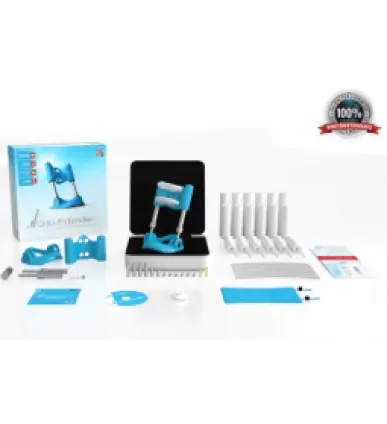
When the discreet package arrived, I opened it with a mix of curiosity and excitement. The device was laid out neatly with rods, straps, and foam pads. At first glance, it looked like a legitimate medical tool.
But as I handled the parts, I noticed the plastic felt light, almost flimsy. The straps were thinner than I expected, and the foam padding didn’t feel like it would last. Still, I brushed those thoughts aside and told myself to trust the design.
The Early Days of Use
The first few sessions were short. I wore it for about an hour each time, testing the feel. The straps pressed into my skin more than I liked, leaving red marks, but I figured it was normal.
During the first week, I experimented with adjusting the tension. No matter how I set it, the device either felt too loose and slipped off or too tight and uncomfortable. I convinced myself it was just an adjustment phase.
Trying to Push Forward
By the second week, I started wearing it for longer sessions—two to three hours. That’s when the problems became harder to ignore. The straps dug deeper, and I noticed soreness that lasted even after I removed the device. Sometimes I experienced numbness, which worried me, but I brushed it off as part of the stretching process.
I didn’t want to quit so soon, especially after investing money and time. So I pushed through the discomfort, thinking results would eventually outweigh the trouble.
The Day Things Went Wrong
It was during the third week that things went downhill. I had worn the extender for nearly three hours one evening, determined to stay consistent. Midway, I began feeling sharp pain, but I kept going, thinking I just needed to “get used to it.”
When I finally removed it, I saw swelling and bruising that shocked me. The skin was irritated, and the area felt tender to the touch. I tried resting, hoping it would subside, but the swelling only got worse overnight.
Going to the Doctor
Embarrassed but worried, I went to a doctor the next day. After examining me, he explained that the device’s straps had cut off circulation, causing tissue trauma. He was clear: this wasn’t something to ignore. Left untreated, it could lead to more serious complications.
He prescribed ointment to help with healing, told me to rest completely, and strongly advised me never to use that device again. His words hit me hard. What I thought was a safe tool for self-improvement had caused more harm than progress.
The Recovery Period
The physical recovery took weeks. The bruising eventually faded, but the frustration lingered much longer. I had gone in with hope and optimism, only to end up anxious and disappointed.
During that time, intimacy was off the table. I was too nervous about aggravating the injury. Instead of building confidence, the Quick Extender Pro experience left me more self-conscious than before.
Looking Back at the Red Flags
In hindsight, the warning signs were obvious. The flimsy build, the constant discomfort, the red marks, and the numbness were all signals that I ignored. I was so focused on wanting results that I downplayed the problems.
I’ve since learned that many extenders on the market have similar issues, especially lower-cost models that prioritize affordability over design and safety.
What I Learned from the Experience
A few lessons stood out from this experience:
- Comfort matters most. If you can’t wear a device without pain, you’ll never be consistent.
- Price reflects quality. Cheaper options often cut corners on safety and durability.
- Listen to your body. Pain, numbness, and swelling are not part of the process. They’re warnings.
- Do your research. Not all extenders are equal. Choosing the wrong one can set you back more than it helps.
Would I Recommend Quick Extender Pro
Based on my experience, no. This Quick Extender review is an honest account of what went wrong, and I can’t recommend it to anyone looking for a safe and effective option. Perhaps some men manage to use it without issues, but for me, the design flaws were too serious.
If someone is truly considering an extender, I’d advise looking at trusted, medically recognized brands that focus on comfort and durability. It may cost more, but it’s worth it to avoid the risks I faced.
Final Thoughts
Quick Extender Pro promised results but delivered discomfort, injury, and regret. What I thought would be a path toward greater confidence ended with me in a doctor’s office.
This Quick Extender review is not meant to scare but to share honestly. Extenders can work, but choosing the wrong one can be worse than doing nothing at all. If you’re thinking about trying one, make sure to prioritize safety and comfort above all else. Your health is too important to gamble with.